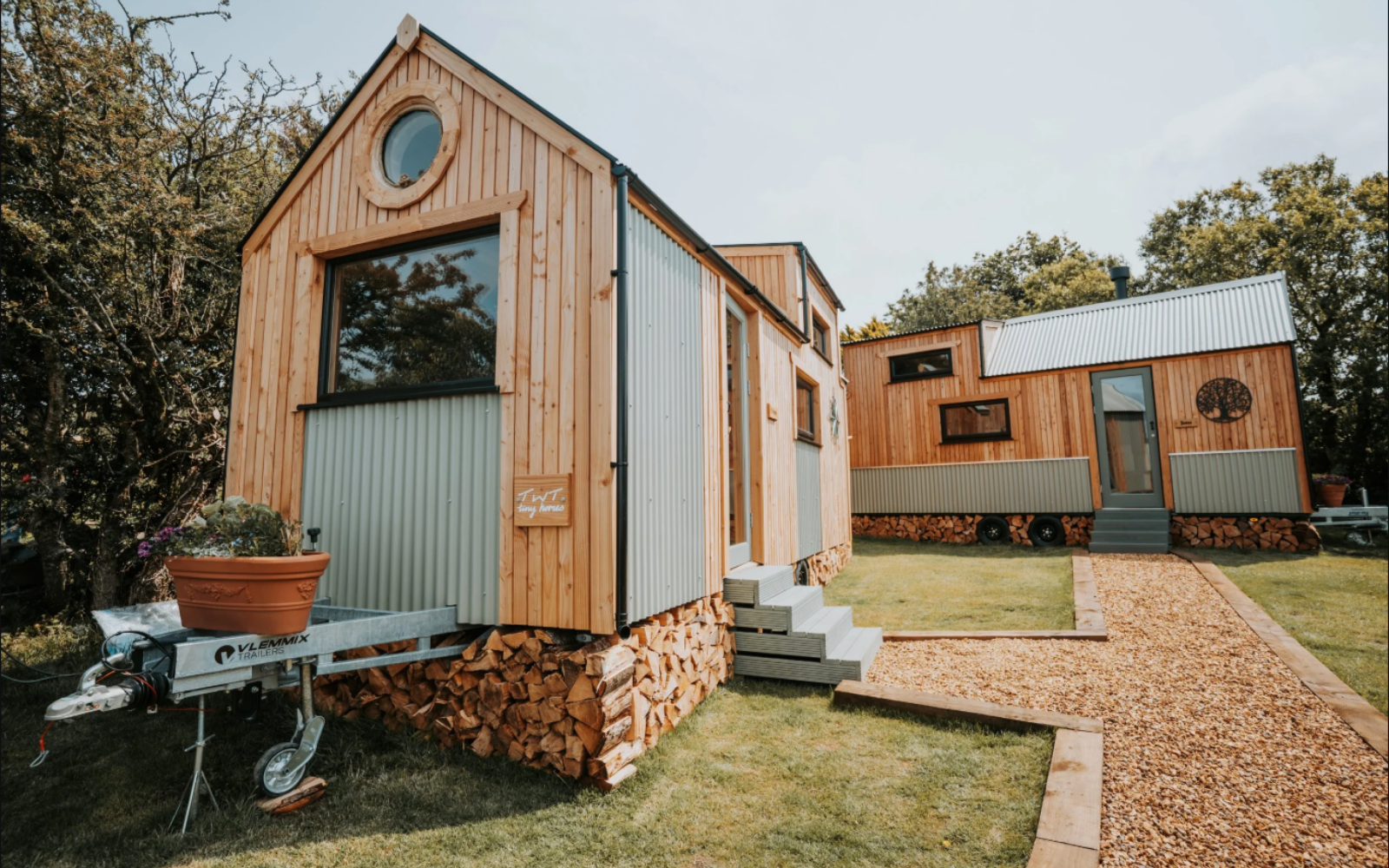


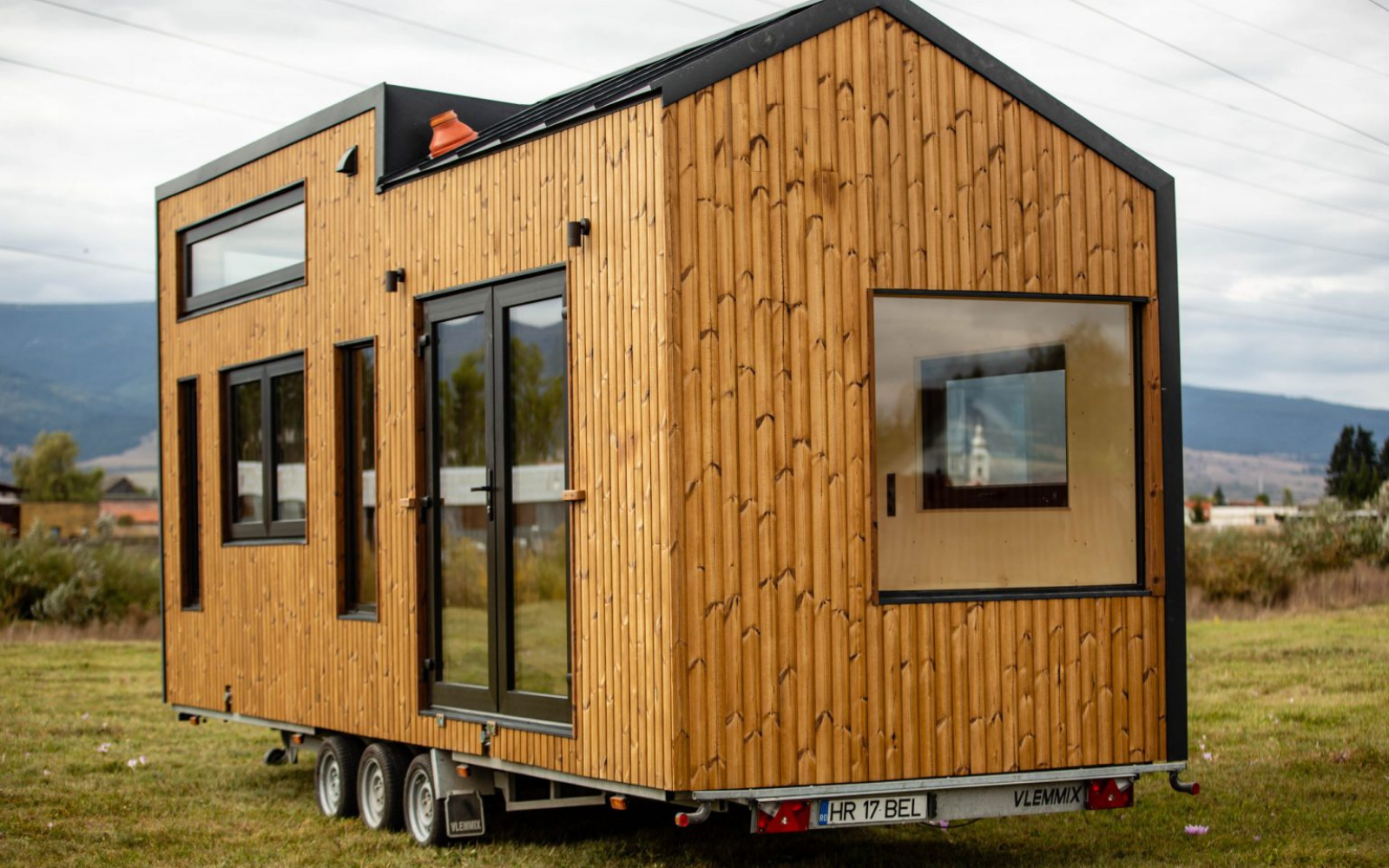
Laws and regulations for tiny house trailers in Europe: structure or load?
The popularity of the tiny house continues to grow. More and more people consciously choose small-scale living, often on a movable trailer. However, anyone who wants to live in a tiny house will inevitably have to deal with regulations. The rules for a tiny house differ per country and largely depend on whether the tiny house is considered a fixed structure or a load on a trailer.
Tiny house as a fixed structure on a trailer
When a tiny house is permanently built onto a trailer and not intended to be removed, it is legally considered a structure. In that case, the tiny house falls under stricter laws and regulations.
Building regulations and legislation
A tiny house that is regarded as a fixed structure must comply with the Building Decree 2012. This decree sets requirements for aspects such as safety, construction, energy efficiency and usability. As a result, tiny houses must meet regulations and standards comparable to those for conventional homes.
In addition, environmental legislation applies. In many cases, an environmental permit is required, especially when permanent occupancy is involved or when the tiny house remains on a single plot of land. The zoning plan also plays an important role, as not every plot allows living in a tiny house.
Dimensions and weight
For tiny house trailers, a maximum permitted total weight of 3,500 kg applies in Europe. This includes both the trailer and the tiny house itself. The maximum width is generally 2.55 metres and the maximum height is 4 metres. These dimensions are essential when building a tiny house and partly determine whether a permit is required.
Permits and re-inspection
After building a tiny house as a fixed structure, a re-inspection is often mandatory in the Netherlands by the national vehicle authority. During this inspection, it is checked whether the trailer with the tiny house still meets all technical requirements. Without this re-inspection, the tiny house trailer is not allowed on public roads.
Tiny house as a load on a trailer
In some situations, a tiny house is not considered a structure but a load. This applies when the tiny house is regarded as an indivisible load that can, in principle, be removed from the trailer. This can be relevant for those who want to place a temporary tiny house or transport multiple tiny houses.
Rules for indivisible loads
A tiny house transported as a load falls under different regulations. The maximum height remains 4 metres, but the width may increase to a maximum of 3 metres for indivisible loads. Divisible loads may not extend beyond the trailer’s dimensions.
If the tiny house extends more than 10 centimetres beyond the width, red-and-white markings are mandatory. When transporting in the dark, additional lighting must be fitted. At the rear, the load may extend up to 1 metre, provided visibility of the licence plate and lighting is maintained.
Permits and local laws and regulations
Even when transporting a tiny house as a load, permits may be required. In some countries, special transport regulations apply, such as time restrictions or escort requirements. Local laws and regulations vary significantly across Europe, making it essential to check the applicable rules per country.
Temporary or permanent living in a tiny house
Whether a tiny house is used temporarily or permanently has a major impact on the applicable regulations. Temporary occupancy may be permit-free in some municipalities, while permanent occupancy almost always requires an environmental permit. Policy frameworks for tiny houses also play a role here. An increasing number of municipalities are developing specific policies for tiny houses, often with a maximum duration of 10 or 15 years.
For tiny house residents, it is therefore essential to know in advance what is permitted on the chosen plot and whether the tiny house must comply with all requirements of the Building Decree.
Starting your tiny house journey well prepared
Anyone who wants to build, place or move a tiny house will encounter rules, permits and technical requirements. Whether the tiny house is considered a structure or a load, compliance with regulations is crucial to avoid problems, fines or delays.
At Vlemmix Trailers, we are happy to advise on the right tiny house trailer, aligned with the regulations for tiny houses in the Netherlands and across Europe. This ensures that your tiny house is not only practical and sustainable, but also fully compliant with laws and regulations.